Can You Vape After a Filling?
If you’re wondering can you vape after a filling, you’re not alone. Many vapers ask this exact question after leaving the

If you’re asking how much nicotine in a vape, you’re asking one of the most important questions in the entire vaping landscape. Nicotine strength affects everything from the throat hit to the overall experience — and in Canada, it’s also regulated by law.
This guide breaks down exactly how much nicotine in a vape is legal, what strength ranges are available, how different device types deliver nicotine, and how adult vapers can make informed choices. Whether you’re transitioning from smoking or already vaping, understanding nicotine content is essential.
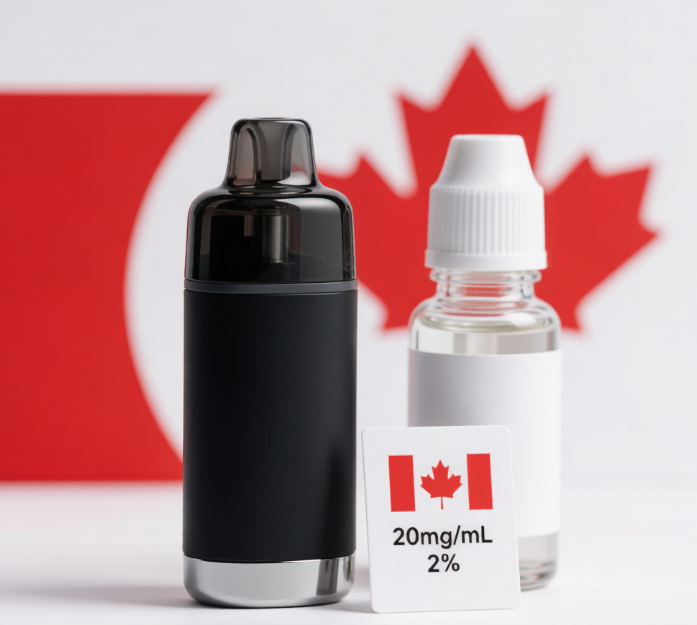
The most important fact when discussing how much nicotine in a vape in Canada is the federal nicotine cap. Under the Tobacco and Vaping Products Act, the maximum permitted nicotine concentration for any vaping product sold in Canada is 20 mg/mL (2%).
This cap was introduced in 2021 by Health Canada and applies uniformly across all provinces and territories. It covers all product types — disposables, pod systems, refillable tanks, and bottled e-liquid. According to Health Canada’s vaping regulations, products exceeding this limit cannot be legally manufactured, imported, or sold.
When you’re figuring out how much nicotine in a vape, you’ll encounter several different labelling systems. Here’s how to read them:
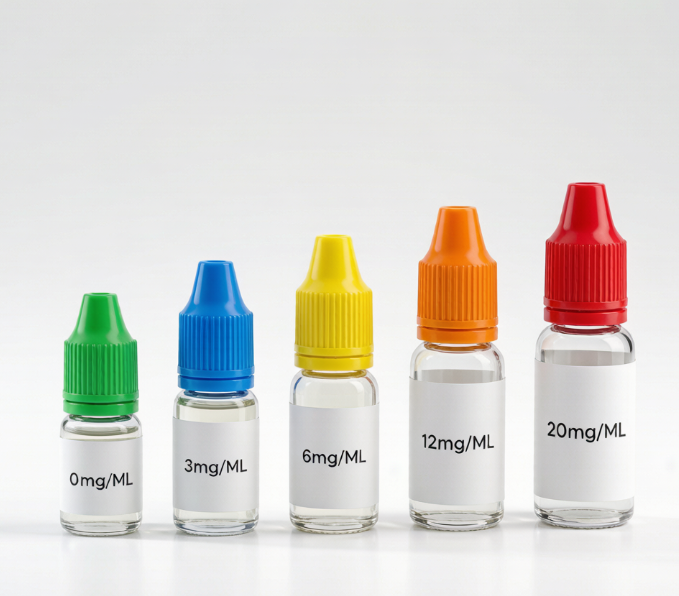
This is the standard Canadian labelling format. It tells you how many milligrams of nicotine are present in each millilitre of e-liquid. For example:
Some products, particularly disposables and pre-filled pods, use percentage labels instead. The conversion is straightforward:
| mg/mL | Percentage |
|---|---|
| 0 mg/mL | 0% |
| 3 mg/mL | 0.3% |
| 6 mg/mL | 0.6% |
| 12 mg/mL | 1.2% |
| 20 mg/mL | 2.0% |
When someone asks how much nicotine in a vape, the answer in Canada is always “up to 20 mg/mL, or 2%.”
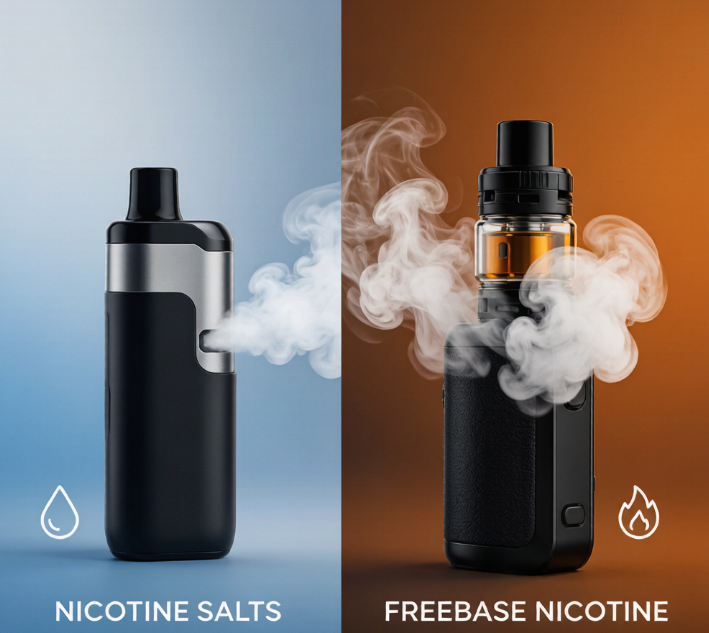
The type of nicotine also affects how how much nicotine in a vape feels in practice:
This distinction matters because 20 mg/mL of salt nicotine feels very different from 20 mg/mL of freebase nicotine, even though the absolute how much nicotine in a vape measurement is identical.
Most disposable vapes sold in Canada come pre-filled at the maximum legal strength of 20 mg/mL (2%) using nicotine salts. They typically contain 2–5 mL of e-liquid, meaning the total nicotine per device ranges from approximately 40 mg to 100 mg.
Popular disposables are designed for convenience — the nicotine strength is fixed, and the user cannot adjust it. This makes it important to understand how much nicotine in a vape disposable before purchasing.
Pre-filled pod systems, such as closed-pod devices, also commonly use nicotine salts at 20 mg/mL. Each pod typically holds 1–2 mL, delivering 20–40 mg of total nicotine per pod. Some brands offer lower-strength options (e.g., 12 mg/mL or 6 mg/mL) for users who want to reduce their intake.
Refillable devices give users the most control over how much nicotine in a vape. Bottled e-liquid is available in strengths ranging from 0 mg/mL to 20 mg/mL, allowing adult vapers to select — or gradually reduce — their preferred nicotine level.
Sub-ohm tanks operate at higher wattages and produce much larger vapour volumes. Because the user inhales more vapour per puff, these devices typically use lower nicotine strengths — usually 3 mg/mL to 6 mg/mL of freebase nicotine. Using 20 mg/mL in a sub-ohm tank would deliver excessive nicotine and an unpleasantly harsh experience.
When vapour is inhaled, nicotine is absorbed through the lining of the mouth, throat, and lungs. Nicotine salt formulations, with their lower pH, tend to be absorbed more rapidly, producing a quicker effect that more closely mimics the nicotine delivery profile of a cigarette.
Two vapers using the same 20 mg/mL device may absorb very different amounts of nicotine depending on how often and how deeply they puff. How much nicotine in a vape you personally consume is a function of:
This is why there’s no single answer to the question — the labelled strength is a maximum, not a guarantee of how much nicotine each person actually absorbs.
A typical Canadian cigarette contains approximately 10–14 mg of nicotine, but a smoker only absorbs about 1–2 mg per cigarette. The rest is lost to sidestream smoke and incomplete combustion. A pack-a-day smoker therefore absorbs roughly 20–40 mg of nicotine daily.
For a vape at 20 mg/mL:
This means a 20 mg/mL vape can deliver a nicotine intake broadly comparable to smoking, which is why this strength is popular among transitioning smokers. The World Health Organization notes that the addictive potential of e-cigarettes is significant, and users should be aware of their intake.
Regardless of how much nicotine in a vape says on the label, your body’s response is the real indicator. Signs of mild nicotine overexposure include:
If you experience these symptoms, stop vaping and wait for them to subside. Consider switching to a lower nicotine strength or reducing your puff frequency. Severe nicotine poisoning is rare with regulated vaping products but can occur — if symptoms are severe, seek medical attention.
Under the Tobacco and Vaping Products Act, all nicotine-containing vaping products in Canada must clearly display:
These requirements exist so that consumers can always verify how much nicotine in a vape they are purchasing. Products sold through unregulated or black-market channels may not comply with these standards, and their actual nicotine content may differ significantly from what the label claims.
The maximum legal nicotine concentration for vaping products in Canada is 20 mg/mL (2%), set by Health Canada under the Tobacco and Vaping Products Act.
A typical cigarette contains 10–14 mg of nicotine, but only 1–2 mg is absorbed by the smoker. A 2 mL vape at 20 mg/mL contains 40 mg of nicotine total, of which a portion is absorbed depending on usage patterns.
For a former heavy smoker, 20 mg/mL in a low-wattage salt-nicotine pod device is a common starting point. For a light smoker or non-smoker, 20 mg/mL may be excessive and could cause nicotine overexposure symptoms. New vapers should start low and adjust based on their body’s response. Understanding how much nicotine in a vape you’re comfortable with is a personal process.
There is no universally “safe” level of nicotine — it is an addictive substance. The question of how much nicotine in a vape is appropriate depends on individual tolerance, smoking history, and goals. Adults using vaping as an alternative to smoking should use the lowest strength that satisfies their needs, and non-smokers should avoid nicotine entirely.
Check out our full blog for more in-depth vaping guides, product reviews, and Canadian compliance updates — all written for adult vapers.Click Here to Visit WillVape Blogs Now
If you’re wondering can you vape after a filling, you’re not alone. Many vapers ask this exact question after leaving the
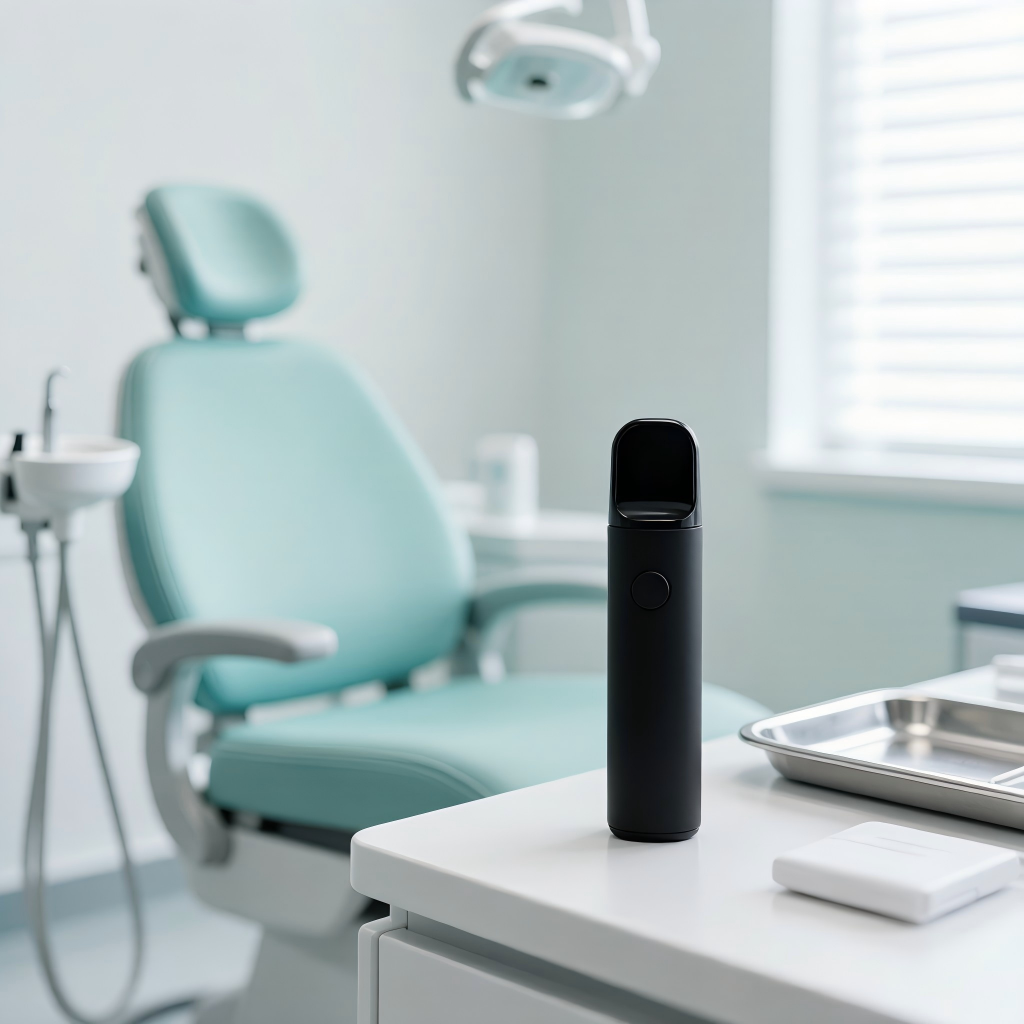
If you vape regularly and have a dental appointment coming up, you might be wondering: can dentists tell if you vape?