Vaping Frequency and Health: What’s the Safe Range?
The relationship between vaping frequency and health is one of the most pressing questions for anyone who uses e-cigarettes. How many puffs

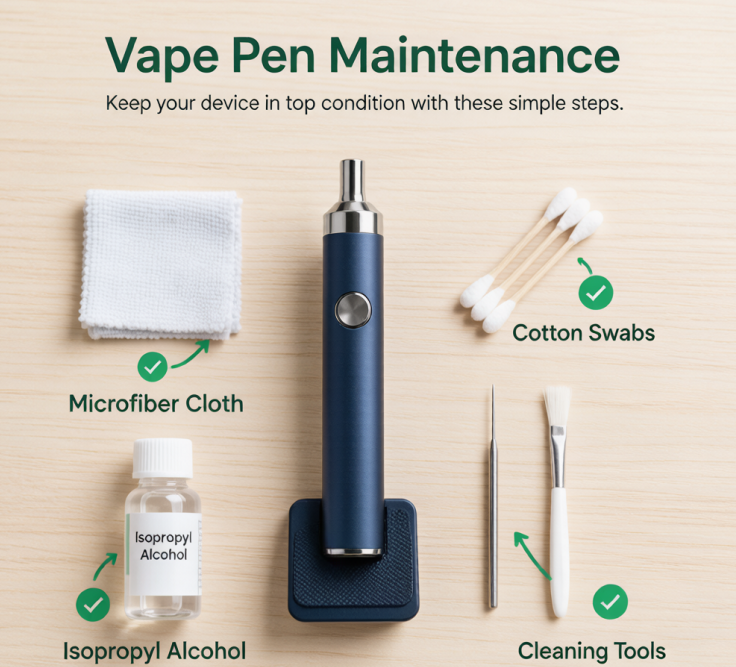
If you have ever taken a draw from your device only to find no vapour coming through, you are not alone. Learning how to unclog a vape pen is one of the most common maintenance tasks for any adult vaper in Canada. Whether you use a 510-thread cartridge system or a refillable pod device, blockages can develop over time from thick oil, residue buildup, or simple temperature changes. This guide walks you through every step of how to unclog a vape pen safely and effectively, without damaging your device or wasting your product.
A clogged vape pen is frustrating, but in most cases the fix is straightforward. The key is identifying the type of blockage and applying the right technique. By the end of this article, you will know exactly how to unclog a vape pen in any situation — from a partially blocked mouthpiece to a fully seized cartridge — and how to prevent it from happening again.
The most common cause of a clogged vape pen is oil that is simply too thick. High-viscosity extracts — particularly those with dense concentrations — tend to solidify inside the narrow channels of the mouthpiece or around the coil opening. When the oil cannot flow freely, air cannot pass through either, and you end up with a blocked draw. This is especially common in colder Canadian climates, where even room-temperature oil can behave like a thick paste. If you frequently find yourself searching for how to unclog a vape pen, the viscosity of your oil may be the first factor to evaluate.
Temperature plays a major role in how oil behaves inside a vape pen. When a device is left in a cold car, a jacket pocket during winter, or any environment below roughly 15 degrees Celsius, the oil thickens and can partially solidify. This creates a physical blockage that prevents both airflow and vapour production. Understanding how to unclog a vape pen after cold exposure is important for Canadian vapers who deal with long winters — and the solution almost always involves gentle, controlled warmth rather than force.
Over time, small amounts of vapour condense inside the mouthpiece and leave a sticky residue. After days or weeks of use, this residue accumulates layer by layer until the airflow channel narrows to the point of blockage. This type of clog develops gradually — you may notice the draw getting tighter before it stops entirely. Regular cleaning is the most reliable way to avoid this scenario, but if you are already dealing with buildup, the methods below will show you how to unclog a vape pen mouthpiece quickly and safely.
Sometimes the problem is not thick oil but too much liquid. Condensation can build up inside the airflow path when warm vapour meets cooler surfaces, and over time this liquid pools in the mouthpiece or around the coil. This is known as flooding, and it produces a gurgling sound rather than a clean draw. Flooding is a slightly different issue from a dry clog, but the basic principles of how to unclog a vape pen apply to both: you need to clear the excess liquid and restore normal airflow.
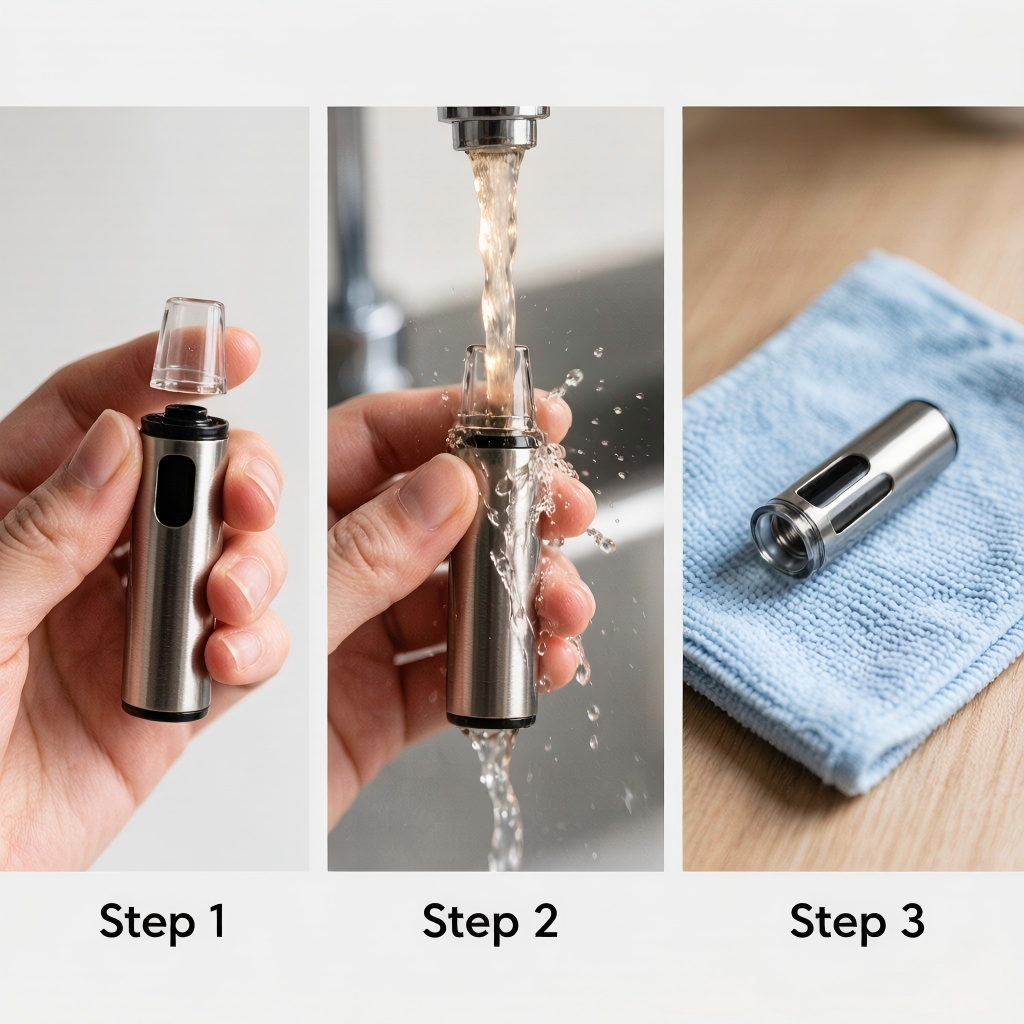
The simplest approach to how to unclog a vape pen involves nothing more than warm water. Remove the mouthpiece (or the cartridge from the battery, depending on your device) and hold it under a gentle stream of warm tap water for 30 to 60 seconds. The warmth softens hardened oil and dissolves residue, while the water flushes away loose particles. After rinsing, shake out any excess water and let the component air-dry completely — ideally for at least 30 minutes — before reassembling. Never use boiling water, as it can warp plastic components and damage O-rings.
If a warm water rinse is not practical — for example, with a sealed cartridge — controlled heat is your next option. The most reliable technique is to hold the device in your closed hand for five to ten minutes, allowing your body heat to gradually warm the oil and reduce its viscosity. Alternatively, you can place the pen near (but not on) a warm radiator or in a sunny windowsill for a short period. The goal is to soften the oil just enough to restore flow. This is one of the safest approaches to how to unclog a vape pen because it involves no tools and minimal risk of damage. Never use an open flame, a hair dryer on high heat, or a microwave — these can destroy the battery and create a safety hazard.
When the clog is localised in the mouthpiece, removing and cleaning it on its own is often the most effective solution. Detach the mouthpiece from the cartridge or pod, then use a cotton swab lightly dampened with warm water or high-percentage isopropyl alcohol to wipe the interior walls. Pay special attention to the narrow airflow channel, where residue tends to accumulate. For stubborn buildup, let the mouthpiece soak in warm water for ten minutes before wiping. This targeted approach is a core part of how to unclog a vape pen because the mouthpiece is the single most common site of blockage.
For hardened oil that will not respond to warmth or water alone, a thin, sterile tool can physically break up the blockage. A straightened paperclip, a sewing needle, or a dental pick works well. Gently insert the tool into the mouthpiece opening and carefully ream out the hardened oil — but never push the tool deep into the coil or heating element. The objective is to clear the airflow channel in the mouthpiece only. Inserting metal objects into the coil can cause a short circuit and permanently damage the device. This method requires patience and a light touch, but it is an essential technique when learning how to unclog a vape pen that has been blocked for an extended period.
Sometimes the clog is minor enough that a simple change in technique can clear it. Instead of taking a sharp, forceful draw — which can push oil deeper into the airflow path — try a series of short, gentle puffs. This creates small pressure pulses that can dislodge a partial blockage without forcing oil further into the device. If this does not work, try taking a draw while simultaneously firing the device at a low voltage. The warmth from the coil, combined with gentle suction, can sometimes melt the obstruction just enough to restore normal airflow. This is the least invasive method of how to unclog a vape pen and should always be attempted first.
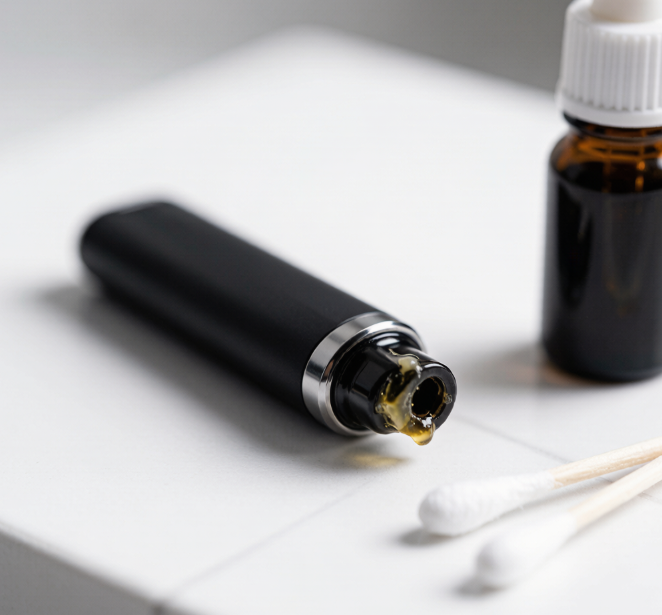
Different device types require slightly different approaches. The general principles of how to unclog a vape pen remain the same, but the specific techniques vary depending on whether you are using a 510-thread cartridge or a pod-based system.
510 cartridges are the most common type of vape pen attachment in Canada. They feature a threaded connection to the battery and a ceramic or cotton coil inside. To unclog a 510 cart, first unscrew it from the battery. Check the bottom contact for oil leakage — if oil has seeped through the threading, clean it with a cotton swab. Then apply gentle heat to the cartridge body and try Method 5 (gentle puffs). If that fails, remove the mouthpiece if it is detachable and clean it separately using Method 3. Pre-filled 510 cartridges sold in Canada under the Tobacco and Vaping Products Act must meet specific labelling and concentration requirements — always verify that your product complies with Health Canada’s vaping product regulations.
Pod systems use a closed or refillable pod that snaps magnetically into the battery body. Because pods are typically made of plastic, they require more careful handling. Avoid alcohol contact with the pod body, as it can cause cracking. To unclog a pod system, remove the pod and inspect the mouthpiece for visible blockage. Use warm water or gentle heat, and if necessary, a thin tool in the mouthpiece channel only. Pod coils are more delicate than 510 ceramic coils, so avoid any physical contact with the coil itself. The approach to how to unclog a vape pen pod system is generally gentler and more focused on the mouthpiece than with cartridge systems.
The best way to deal with a clogged vape pen is to prevent it from clogging in the first place. Once you know how to unclog a vape pen, the next logical step is adopting habits that make clogs rare rather than routine. Prevention comes down to three main practices: proper storage, regular cleaning, and choosing the right oil for your device.
Always store your vape pen upright when not in use. This prevents oil from pooling in the mouthpiece or flooding the coil. Proper storage is the foundation of needing to apply how to unclog a vape pen techniques far less frequently. Avoid leaving the device in a cold car, a freezing jacket pocket, or direct sunlight. Room temperature — between 18 and 24 degrees Celsius — is ideal. If you live in a particularly cold region of Canada, consider keeping your device in an inner pocket close to your body during outdoor activities.
A quick wipe of the mouthpiece every two to three days takes less than a minute and dramatically reduces residue buildup. For a deeper clean, disassemble the mouthpiece weekly and rinse it with warm water. This simple routine is the single most effective way to reduce how often you need to apply how to unclog a vape pen techniques. Consistency matters more than thoroughness — a frequent light clean is better than an occasional deep clean.
Not all oils work well in all devices. If you consistently experience clogs, the oil you are using may be too thick for your pen’s coil and airflow design. Thinner oils or those formulated specifically for your device type will flow more easily and reduce the frequency of blockages. The U.S. CDC provides information on e-cigarette products and their components that can help you understand how different formulations interact with hardware.
When learning how to unclog a vape pen, it is just as important to know what not to do. The following mistakes can damage your device, waste your product, or create safety risks.
While isopropyl alcohol is acceptable for cleaning exterior metal and glass components, harsh solvents like acetone, paint thinner, or household cleaners should never be used on any part of a vape pen. These chemicals can degrade plastic, dissolve O-rings, and leave toxic residues that are unsafe to inhale. When you need to know how to unclog a vape pen safely, stick to warm water and, when necessary, high-percentage isopropyl alcohol applied sparingly with a cotton swab.
A common instinct when a draw feels restricted is to blow hard into the mouthpiece to force the blockage out. This can actually make the problem worse by pushing oil deeper into the coil or airflow channels, creating a flood rather than clearing a clog. A better approach to how to unclog a vape pen is to use gentle suction, warmth, or the cleaning methods described above. If you need to use air pressure, do so gently and from the threaded end of the cartridge, not the mouthpiece.
Applying excessive heat to the battery portion of your vape pen is dangerous. Lithium-ion batteries can degrade, vent, or in extreme cases ignite when exposed to high temperatures. Never use a hair dryer, oven, or direct flame on any part of a vape pen that contains a battery. If you need to apply heat, do so only to the cartridge or mouthpiece after it has been disconnected from the battery. The U.S. FDA provides guidance on vaping device safety that reinforces the importance of proper battery handling.
Not every clog can be cleared. If you have tried every method above and the device still produces no vapour, the coil may be burnt out or the airflow path permanently blocked by carbonised oil. Coils in 510 cartridges typically last one to four weeks depending on usage, and pod coils have a similar lifespan. If your device is more than a few months old and clogs are becoming increasingly frequent despite regular cleaning, it may be time to replace the cartridge or the entire device. Knowing when to stop troubleshooting and simply replace is an important part of understanding how to unclog a vape pen — sometimes the answer is that the pen has reached the end of its usable life.
Vape pens contain lithium-ion batteries and heating elements, which means safety should always come first. The process of how to unclog a vape pen should never involve the battery itself — always disconnect the cartridge or pod before applying any heat or cleaning. Never disassemble a battery, expose it to water, or use a charger that is not designed for your device. If you notice any unusual smell, heat, or deformation from the battery, stop using the device immediately and dispose of it at a designated battery recycling facility. All vaping products sold legally in Canada must comply with the Tobacco and Vaping Products Act, which sets limits on nicotine concentration and requires specific health-warning labelling. Always purchase from licensed retailers and verify product compliance before use.
It is also worth noting that vaping products are intended for adult use only. If you do not currently use nicotine products, health authorities recommend not starting. For those who do vape, proper maintenance — including knowing how to unclog a vape pen — helps ensure the device functions as intended and reduces unnecessary exposure to degraded materials.
If your vape pen isn’t pulling, you’re likely dealing with one of the most common vape issues. The problem usually comes down to a clogged cartridge, a dead battery, or a poor connection
The airway is physically blocked — usually by thickened e-liquid/oil, debris, or a vacuum lock (when pressure builds up inside the cart). This is incredibly common and almost always fixable at home.
For daily users, a light mouthpiece wipe every two to three days and a deeper clean once a week is ideal. Occasional users can clean every two weeks. Regular cleaning is the single most effective way to prevent clogs and extend the life of your device.
Check out our full blog for more in-depth vaping guides, product reviews, and Canadian compliance updates — all written for adult vapers.Click Here to Visit WillVape Blogs Now
The relationship between vaping frequency and health is one of the most pressing questions for anyone who uses e-cigarettes. How many puffs
If you’re wondering can you vape after a filling, you’re not alone. Many vapers ask this exact question after leaving the